
Sewage Backup: What's Safe to Touch and What Isn't
A sewage backup is more than a mess — it's a health emergency. Learn what you can safely handle yourself and when to call a professional restoration team.
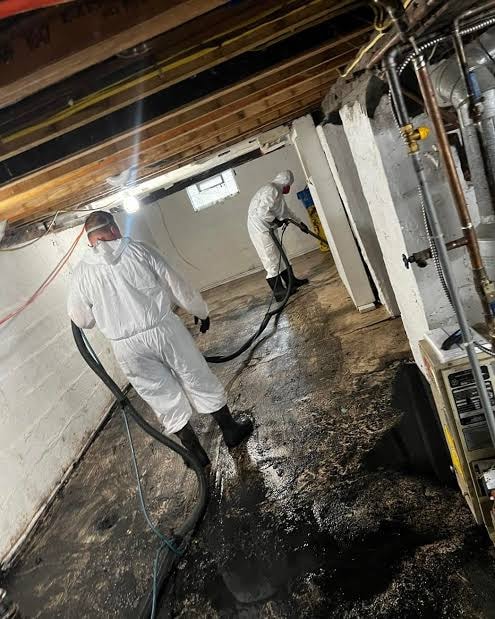
A sewage backup is one of the most alarming things a homeowner can face. The smell hits you first — then the reality sets in. Raw sewage has flooded your bathroom, basement, or utility room, and you have no idea what to do next.
Here's the most important thing to know right away: sewage water is classified as Category 3 — the most dangerous type of contaminated water. It contains bacteria, viruses, parasites, and other pathogens that can cause serious illness. Before you grab a mop or start pulling up soaked rugs, read this guide.
What Is Category 3 Water?
Restoration professionals classify water damage into three categories based on contamination level:
- Category 1 — Clean water from a supply line or rain. Relatively safe to handle with basic precautions.
- Category 2 — Gray water from appliances, sinks, or washing machines. Contains some contaminants.
- Category 3 — Black water. Sewage, floodwater, or any water that has contacted fecal matter. Highly dangerous.
Sewage backup is always Category 3, no matter how "minor" it looks. Even a small amount of sewage water can harbor E. coli, Salmonella, Hepatitis A, and Norovirus.
What You Should NOT Touch
Raw Sewage Water
Never wade into or touch sewage water with bare skin. Pathogens can enter through cuts, your eyes, nose, or mouth — even through intact skin with prolonged exposure.
Soaked Porous Materials
Carpets, rugs, drywall, insulation, wood flooring, and upholstered furniture that have been saturated with sewage water cannot be safely cleaned. These materials absorb contaminants deep into their fibers and structure. They must be removed and disposed of by professionals following proper biohazard protocols.
Contaminated Food and Medications
Any food, beverages, or medications that were in contact with sewage water — or even in the same area — should be discarded. Do not attempt to salvage them.
HVAC Vents and Ductwork
If sewage water reached your HVAC system, do not run it. Turning on the system can spread aerosolized contaminants throughout your entire home.
Electrical Outlets and Appliances
If sewage water is near any electrical outlets, panels, or appliances, do not touch them. Turn off power to the affected area at the breaker if you can do so safely from a dry location — otherwise, call an electrician first.
What You Can Safely Do
While you wait for professional help, there are a few steps you can take to protect yourself and limit further damage.
1. Stop the Source (If Possible)
If the backup is coming from a toilet or drain, stop using all plumbing in the home immediately. Do not flush toilets or run water — this can worsen the backup.
2. Ventilate the Area
Open windows and doors to the affected area if weather permits. This helps reduce fume buildup and slows mold growth. Do not use fans that would blow air through the rest of the home.
3. Document the Damage
Before anything is moved or cleaned, photograph and video the damage thoroughly. This documentation is critical for your insurance claim. Capture every affected surface, item, and area.
4. Call Your Insurance Company
Sewage backup damage may be covered under your homeowner's policy, but coverage varies. Call your insurer as soon as possible to report the loss and ask about your specific coverage.
5. Keep Children and Pets Out
Keep everyone — including pets — out of the affected area until it has been professionally cleaned and cleared.
Why DIY Sewage Cleanup Is Dangerous
We understand the instinct to act fast and start cleaning up yourself. But sewage remediation is not a DIY job, for several reasons:
You can't see what you can't see. Sewage contamination penetrates surfaces that look dry. Without moisture meters and ATP testing, you have no way to know if an area is truly clean.
Improper disposal creates liability. Sewage-contaminated materials must be bagged, labeled, and disposed of according to state and local regulations. Improper disposal can result in fines and further health risks.
Mold follows fast. Mold can begin growing within 24–48 hours of a sewage event. Professional drying equipment and antimicrobial treatments are needed to prevent a secondary mold problem.
Your health is not worth the risk. Exposure to sewage pathogens can cause serious illness — some with long-term consequences. Professional technicians use full PPE, respirators, and follow strict decontamination protocols.
What Professional Sewage Cleanup Looks Like
When Burke Emergency Restoration responds to a sewage backup, here's what we do:
- Assess and contain — We identify the source, stop further contamination, and establish containment to protect unaffected areas.
- Remove contaminated materials — All porous materials that cannot be safely decontaminated are removed and properly disposed of.
- Extract standing water — Industrial extractors remove all sewage water from the space.
- Clean and disinfect — Every affected surface is cleaned with EPA-registered antimicrobial agents.
- Dry thoroughly — Commercial air movers and dehumidifiers run until moisture readings confirm the space is dry.
- Test and clear — We verify the space is safe before restoration work begins.
When to Call Us
Call Burke Emergency Restoration immediately if:
- Sewage water has covered more than a small, contained area
- The backup has affected carpet, drywall, or wood flooring
- You notice a persistent sewage odor even after the water is gone
- The backup involved a floor drain, toilet, or main sewer line
We serve Manchester, NH and surrounding communities 24 hours a day, 7 days a week. Sewage backups don't wait for business hours — and neither do we.
Call us now at (855) 716-2875. Our team will respond fast, work with your insurance company, and restore your home to a safe, healthy condition.
Written by
Burke Emergency Restoration
The team at Burke Emergency Restoration — serving NH, MA & ME with 24/7 emergency property restoration since 2005.


