Insurance Documentation After Property Damage
A practical guide to documenting fire, water, mold, and other property damage so your insurance claim has the details it needs.

When your home or business has been damaged by water, fire, sewage, mold, or another emergency, the first priority is always safety. Once everyone is safe and the immediate emergency has been addressed, good documentation can make the insurance process easier to navigate.
Insurance documentation is not about creating a perfect file. It is about preserving a clear record of what happened, what was affected, and what steps were taken to protect the property. The more organized your information is, the easier it can be to communicate with your insurance carrier, adjuster, and restoration team.
Start with safety and emergency mitigation
Before taking photos or moving belongings, make sure the property is safe to enter. Do not enter areas with structural damage, standing water near electrical equipment, active smoke, or suspected contamination. If there is an immediate hazard, contact emergency services first.
After you have reported the loss to your insurance carrier, take reasonable steps to prevent additional damage. This may include shutting off a water source, moving dry belongings away from a leak, covering an opening after a storm, or arranging professional emergency mitigation.
Keep receipts for reasonable emergency expenses. Temporary protective measures, such as water extraction or board-up services, may be important to your claim because they show that you acted promptly to limit further damage.
Take wide photos before close-ups
Photos and video are often the fastest way to create a visual record. Start with wide shots that show the full room or affected area. Then take medium and close-up photos that show specific damage.
For example, after a water loss, photograph the source if it is visible, the path of the water, affected flooring, walls, furniture, and personal belongings. After a fire, document soot, smoke staining, damaged materials, and any areas that have been secured or boarded up.
A few practical tips can help:
- Take photos from more than one angle.
- Include the room, doorway, or another reference point in wide shots.
- Capture labels, model numbers, and serial numbers when possible.
- Use video to walk through the property and narrate what you are seeing.
- Avoid throwing away damaged items until your insurer or adjuster has advised you to do so.
Create a room-by-room inventory
A room-by-room list helps turn a stressful situation into manageable information. You do not need to know every detail on day one. Begin with the most valuable or most obviously damaged items, then add to the list as you have time.
For each item, record what it is, where it was located, its approximate age, and its condition before the loss. If you have receipts, photos, warranties, appraisals, or purchase confirmations, save copies with the inventory.
For business owners, include equipment, inventory, furniture, records, and any materials that may affect operations. If an item must be removed for cleaning or storage, ask for a clear inventory or pack-out record from the restoration provider.
Keep a simple claim communication log
Claims often involve several conversations over days or weeks. A simple communication log can prevent details from getting lost. Use a notebook, spreadsheet, or notes app to record the date, time, name, company, and a short summary of each conversation.
Include your claim number in the log and on any documents you send. Save copies of emails, estimates, invoices, inspection reports, and letters in one folder. If you speak with an adjuster by phone, write down any next steps or deadlines before ending the call.
This record is especially useful if different people handle different parts of the claim. It gives you one place to check what has been discussed and what information is still needed.
Document mitigation and restoration work
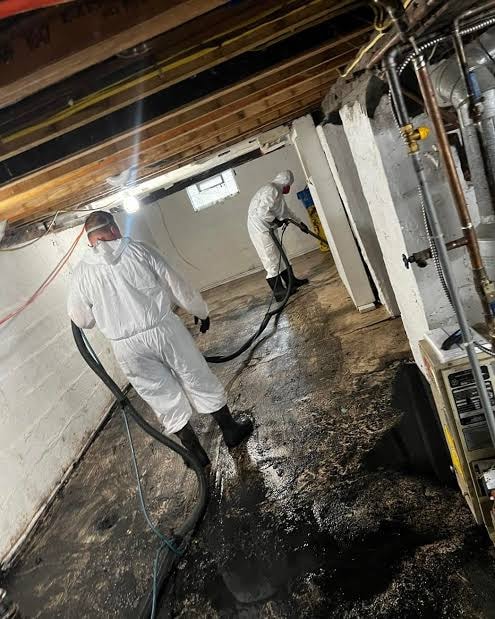
Professional mitigation is designed to stabilize the property and help prevent secondary damage. During this phase, documentation may include moisture readings, drying logs, photos, equipment records, cleaning records, and itemized estimates.
Ask your restoration team what records they will provide and how they will coordinate with your insurer. A professional team can explain the work being performed, identify affected materials, and provide documentation that supports the scope of the loss.
Do not make permanent repairs or discard major damaged materials without guidance from your insurer unless an emergency requires immediate action. If work must happen quickly to protect the property, photograph the condition first and keep all related receipts and invoices.
Be accurate, not speculative
It is natural to want answers immediately after a loss. Still, it is best to document what you can see and know rather than guessing about the cause, cost, or extent of damage.
Use clear descriptions such as “water staining on the ceiling below the upstairs bathroom” or “smoke odor throughout the first floor.” If you are unsure when an item was purchased or what it cost, note that you are checking your records instead of estimating a number you cannot support.
Accuracy helps everyone involved understand the situation and keeps the focus on restoring your property safely and thoroughly.
A calm next step after property damage
Property damage can feel overwhelming, but you do not have to organize everything at once. Start with safety, notify your insurer, take photos, save receipts, and keep a simple record of communications. Then let qualified professionals help you assess the damage and plan the restoration work.
Burke Emergency Restoration provides 24/7 emergency response for fire, water, mold, sewage, biohazard, and soft contents restoration throughout New Hampshire, Massachusetts, and Maine. If your property has been damaged, call us at (855) 716-2875 so we can help you take the next step toward bringing it back to life.
Written by
Burke Emergency Restoration Team
The team at Burke Emergency Restoration — serving NH, MA & ME with 24/7 emergency property restoration since 2005.