
Biohazard Cleanup: What Homeowners Need to Know
Biohazard situations are dangerous and emotionally overwhelming. Learn what qualifies as a biohazard, why professional cleanup is essential, and what to expect from the restoration process.

When a biohazard situation occurs in your home, the instinct is often to clean it up yourself and move on as quickly as possible. But biohazard cleanup is one of the most dangerous tasks a homeowner can attempt without professional training and equipment. Understanding what biohazards are, why they require specialized care, and what the cleanup process looks like can help you make the right call when it matters most.
What Is a Biohazard?
A biohazard — short for biological hazard — is any biological substance that poses a threat to the health of living organisms, primarily humans. In a residential or commercial setting, biohazards typically include:
- Blood and bodily fluids from accidents, injuries, or unattended deaths
- Trauma and crime scenes where blood or tissue is present
- Hoarding situations involving animal waste, decomposing food, or unsanitary conditions
- Sewage backups containing raw human waste and pathogens
- Infectious disease contamination, including viruses like COVID-19 and bacteria like MRSA
- Animal remains or infestations that leave behind waste and disease vectors
- Meth lab residue and other chemical contamination
Each of these situations carries serious health risks that go far beyond what's visible to the naked eye.
Why DIY Biohazard Cleanup Is Dangerous
It's understandable to want to handle things yourself — especially when the situation feels personal or urgent. But attempting to clean up a biohazard without proper training, equipment, and disposal protocols puts you and your family at serious risk.
Invisible Pathogens
Bloodborne pathogens like HIV, Hepatitis B, and Hepatitis C can survive on surfaces for days. Bacteria from sewage or decomposition can linger in porous materials like carpet, drywall, and wood long after the visible mess is gone. Household cleaners — even bleach — are not sufficient to eliminate these threats.
Improper Disposal
Biohazardous waste must be disposed of according to strict state and federal regulations. Placing contaminated materials in regular trash is illegal and can expose sanitation workers and the public to serious health hazards.
Emotional Toll
Biohazard situations often follow traumatic events — the death of a loved one, a violent crime, or a serious accident. Attempting to clean up yourself can compound trauma and make the grieving process significantly harder. Professional teams handle the physical work so you don't have to.
Cross-Contamination
Without proper containment procedures, biohazardous materials can be tracked through a home, contaminating areas that were previously unaffected. Professionals use containment barriers, negative air pressure, and full personal protective equipment (PPE) to prevent this.
What Burke Emergency Restoration Handles
Our certified biohazard cleanup team is trained and equipped to handle a wide range of situations, including:
- Unattended death cleanup — When a person passes away and is not discovered immediately, decomposition can affect a large area and require extensive remediation.
- Trauma and crime scene cleanup — We work with law enforcement and families to restore spaces after violent incidents, accidents, or self-harm events.
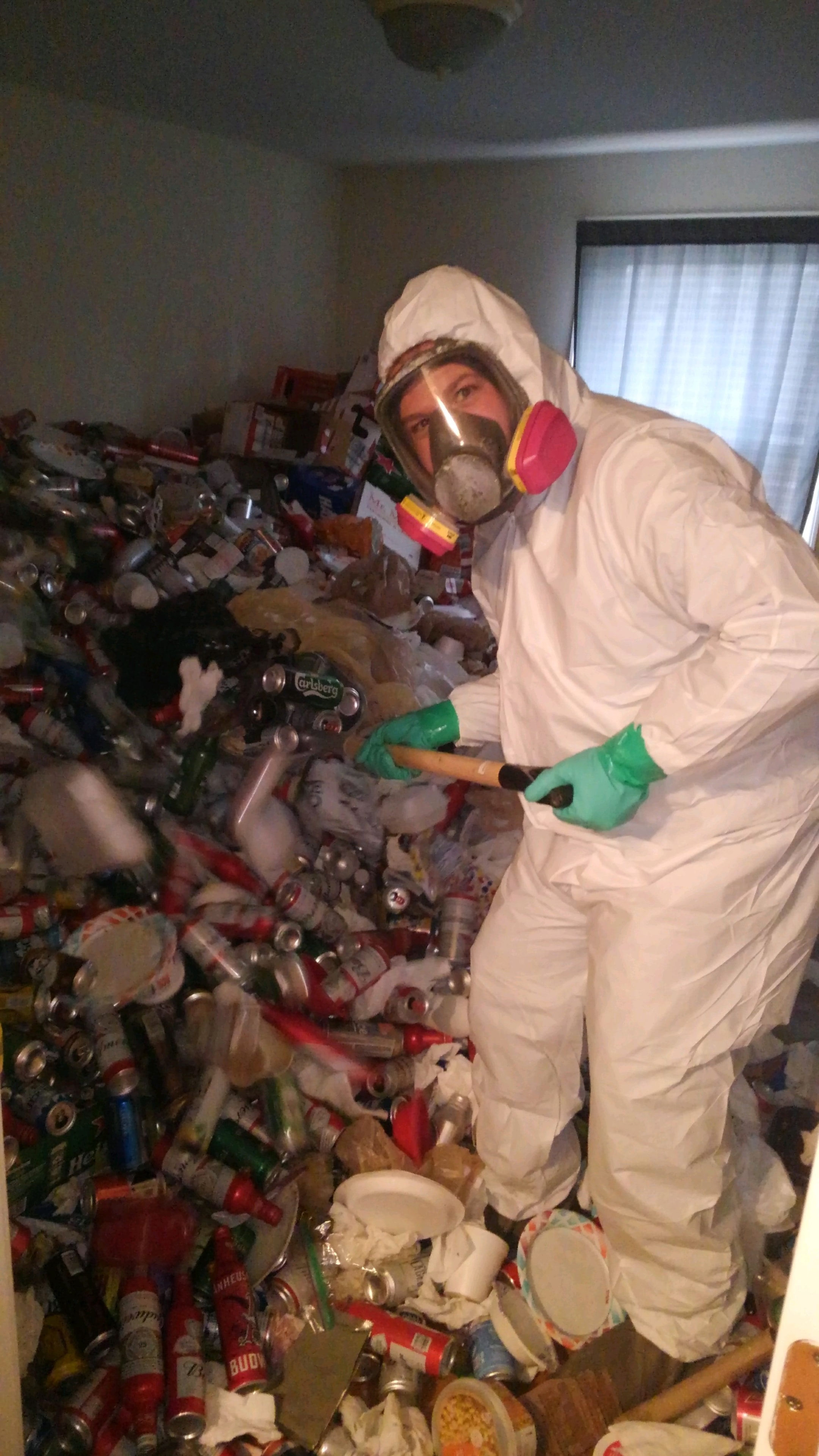
- Hoarding cleanup — Severe hoarding situations often involve biohazardous materials including animal waste, rotting food, mold, and pest infestations.
- Infectious disease decontamination — We use hospital-grade disinfectants and EPA-registered products to eliminate viruses and bacteria, including COVID-19 and MRSA.
- Sewage and waste cleanup — Raw sewage contains dangerous pathogens and must be handled with full protective protocols.
- Vehicle decontamination — Biohazard events don't only happen indoors. We clean and decontaminate vehicles as well.
What to Expect from the Cleanup Process
If you've never dealt with a biohazard situation before, the process may feel unfamiliar. Here's a general overview of what professional biohazard remediation looks like:
1. Assessment and Containment
Our team arrives and assesses the full scope of the contamination. We establish containment zones to prevent the spread of biohazardous materials to unaffected areas of the property.
2. Personal Protective Equipment
All technicians wear full PPE — including Tyvek suits, respirators, gloves, and eye protection — throughout the entire process.
3. Removal of Biohazardous Materials
Contaminated materials — including carpet, padding, drywall, furniture, and personal items — are carefully removed and placed in sealed, labeled biohazard bags and containers.
4. Cleaning and Disinfection
All affected surfaces are cleaned using EPA-registered, hospital-grade disinfectants. We use specialized equipment to reach areas that are not visible or accessible without professional tools.
5. Deodorization
Biohazard situations often leave behind powerful odors caused by decomposition, waste, or chemical contamination. We use industrial-grade deodorization equipment to neutralize odors at the source — not just mask them.
6. Verification and Documentation
Before we leave, we verify that all affected areas meet safety standards. We provide documentation of the work completed, which can be important for insurance claims.
7. Restoration
Once the biohazard has been fully remediated, we can assist with restoring the property — replacing flooring, drywall, and other structural elements — so the space can be safely used again.
Working with Insurance
Many homeowners don't realize that biohazard cleanup is often covered by homeowner's insurance. Burke Emergency Restoration works directly with insurance companies and can help you navigate the claims process. We document everything thoroughly so your claim is supported with the evidence it needs.
You Don't Have to Face This Alone
Biohazard situations are among the most difficult things a homeowner or family can experience. The combination of physical danger, emotional weight, and logistical complexity can feel completely overwhelming. That's exactly why Burke Emergency Restoration exists.
Our team responds 24 hours a day, 7 days a week, 365 days a year. We treat every situation with the discretion, compassion, and professionalism it deserves. We handle the cleanup so you can focus on what matters most — your family and your recovery.
If you're facing a biohazard situation in New Hampshire, don't wait. Call Burke Emergency Restoration any time, day or night.
Written by
Burke Emergency Restoration
The team at Burke Emergency Restoration — serving NH, MA & ME with 24/7 emergency property restoration since 2005.


